


Diamond, Ruby or Sapphire? Choosing a Centre Stone for Bespoke Jewellery
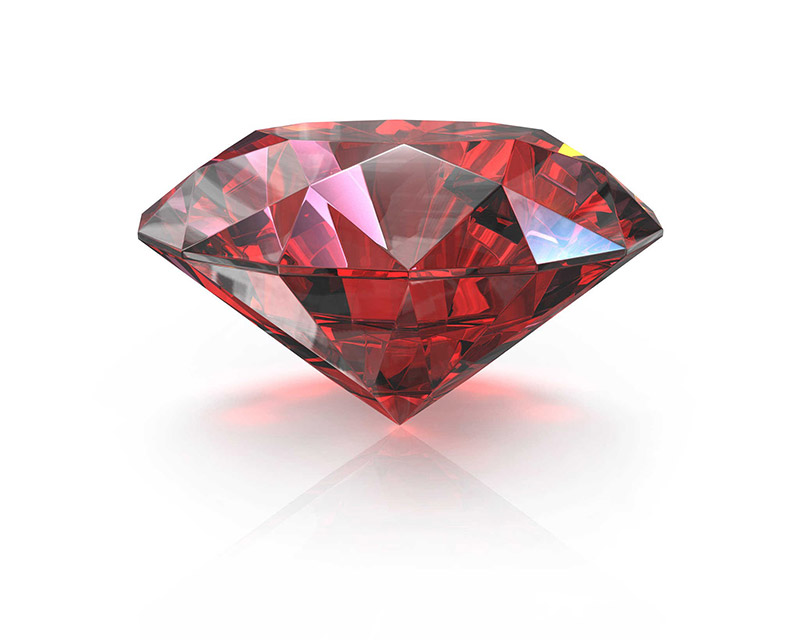
Choosing a centre stone is often the defining decision in a bespoke jewellery commission. Diamonds, rubies and sapphires each offer a different combination of appearance, symbolism and practical qualities. The best choice is not simply the most expensive gemstone: it is the one that suits the design, the wearer and the way the finished piece will be used.

Diamonds: Brilliance and Timeless Versatility
Diamonds are valued for their brilliance, sparkle and exceptional hardness. Cut quality strongly influences the way a diamond returns light, while colour, clarity and carat weight also matter when comparing stones. A diamond can be an elegant centrepiece in a classic solitaire or provide contrast alongside a vivid coloured gemstone. Its hardness makes it suitable for regular wear, although no gemstone is completely resistant to damage.

Rubies: A Bold Red Centrepiece
A fine ruby brings rich red colour and strong visual character to bespoke jewellery. Ruby belongs to the corundum family and ranks 9 on the Mohs hardness scale, making it a practical choice for many ring designs when appropriately set and cared for. Buyers should consider hue, saturation, transparency, cut, treatment disclosure and independent laboratory findings. The right ruby is one whose colour remains compelling across different lighting conditions.

Sapphires: Classic Blue and More
Sapphires offer a broad palette, from traditional blue to pink, yellow and other fancy colours. Like ruby, sapphire is corundum and has a Mohs hardness of 9. For a blue sapphire, buyers often focus on the balance between hue, tone, saturation and brilliance. The setting can be designed to complement a particular shape and shade, whether the intended style is understated, contemporary or vintage inspired.

Choose the Gemstone Before Finalising the Design
Selecting a loose gemstone first allows the jeweller to build proportions, setting style and supporting stones around its actual dimensions. For an important purchase, ask about treatments, the relevant laboratory report and how the stone will be protected in the proposed design. SICO International sources rubies, sapphires and diamonds for clients seeking exceptional stones and can discuss options to suit a bespoke jewellery project.

Speak to SICO International
Looking for a diamond, ruby or sapphire for a bespoke piece? Contact SICO International in London to discuss the gemstone, quality and characteristics that best suit your requirements.


Comments