


Exploring Global Rare Gemstone Trends
The world of rare gemstones is dynamic and ever-evolving. As a professional in the field, I observe shifts in demand, sourcing, and valuation that shape the market. This article explores current global rare gemstone trends, focusing on key developments that influence high-end jewellery design, collecting, and private acquisitions. I aim to provide clear insights and practical information to support informed decisions in this specialised sector.
Understanding Global Rare Gemstone Trends
Global rare gemstone trends reflect changes in consumer preferences, mining discoveries, and technological advancements. The demand for coloured gemstones such as rubies, sapphires, and emeralds continues to grow, driven by their rarity and unique beauty. In recent years, there has been a notable increase in interest for ethically sourced and traceable stones. Buyers seek assurance that their gemstones come from responsible mining operations.
One significant trend is the rising value of untreated and natural stones. Collectors and designers prefer gems that retain their original characteristics without enhancements. This preference affects pricing and availability. Additionally, the market shows a growing appreciation for rare varieties such as padparadscha sapphires and pigeon blood rubies, which command premium prices.
The global supply chain also adapts to these trends. Leading suppliers, including sico international, focus on sourcing exceptional stones with verified origins. Their expertise supports clients in acquiring rare gems that meet stringent quality and ethical standards.

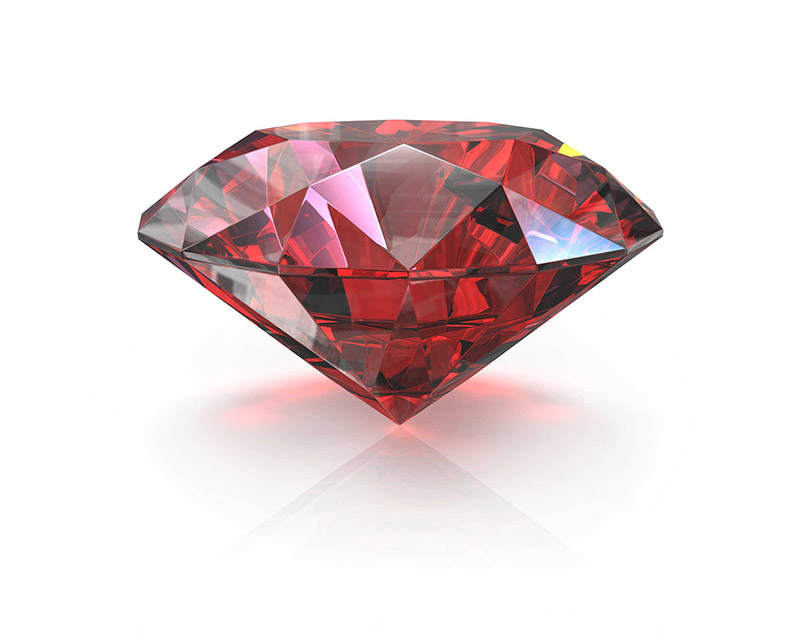
Close-up view of a rare ruby gemstone with vivid red colour
Key Drivers Behind Global Rare Gemstone Trends
Several factors drive the current trends in rare gemstones. First, consumer awareness about sustainability influences purchasing decisions. Ethical sourcing and environmental impact are now critical considerations. This shift encourages suppliers to improve transparency and traceability.
Second, technological advances in gemstone treatment and identification affect market dynamics. Sophisticated testing methods allow experts to distinguish natural stones from synthetics and treated gems. This capability enhances buyer confidence and supports the premium placed on untreated stones.
Third, geopolitical events and mining regulations impact supply. Restrictions in key mining regions can limit availability, pushing prices higher. Conversely, new discoveries in less explored areas introduce fresh sources of rare gems, diversifying the market.
Finally, cultural and fashion trends shape demand. For example, coloured gemstones gain popularity as alternatives to traditional diamonds. Designers incorporate rare stones into bespoke pieces, appealing to clients seeking exclusivity and individuality.
Emerging Markets and Their Influence
Emerging markets play a crucial role in shaping global rare gemstone trends. Countries in Asia, the Middle East, and North America show increasing interest in coloured gemstones. This demand expansion creates new opportunities for suppliers and designers.
In Asia, particularly China and India, rising wealth fuels luxury consumption. Collectors and private clients seek rare rubies and sapphires as investment assets and status symbols. The Middle East also demonstrates strong demand for high-quality coloured stones, often favouring bold and vibrant colours.
North America’s market evolves with a focus on ethical sourcing and unique designs. Consumers here value provenance and craftsmanship, driving demand for stones with clear origin documentation.
These regional trends encourage suppliers to tailor their offerings and services. They also highlight the importance of global networks and partnerships to meet diverse client needs.

Eye-level view of a sapphire gemstone with deep blue hue
Practical Recommendations for Sourcing Rare Gemstones
For high-end jewellery designers and collectors, sourcing rare gemstones requires careful strategy. Here are practical recommendations to navigate the current market:
Prioritise Verified Origins
Demand documentation that confirms the gemstone’s source. This practice ensures ethical compliance and enhances the stone’s value.
Focus on Untreated Stones
Seek natural, untreated gems to meet the growing preference for authenticity. These stones often appreciate more over time.
Build Relationships with Trusted Suppliers
Collaborate with reputable suppliers who offer transparency and expertise. Long-term partnerships facilitate access to exceptional stones.
Stay Informed on Market Developments
Monitor geopolitical changes, mining news, and technological advances. Staying updated helps anticipate supply fluctuations and price trends.
Consider Investment Potential
Evaluate gemstones not only for aesthetic appeal but also for their rarity and market demand. Certain varieties, such as pigeon blood rubies, have proven investment value.
By applying these guidelines, professionals can secure rare gemstones that align with client expectations and market realities.
Future Outlook for Rare Gemstones
The future of rare gemstones appears promising yet complex. Demand for ethically sourced, high-quality stones will continue to rise. Innovations in gemstone treatment and identification will further refine market standards. Additionally, new mining discoveries may alter supply dynamics.
Suppliers like sico international are positioned to lead by combining sourcing excellence with expert knowledge. Their role in connecting clients with rare rubies and sapphires will remain vital.
Designers and collectors should prepare for a market that values transparency, rarity, and provenance more than ever. Embracing these principles will ensure access to the finest gemstones and sustained success in this specialised field.
The evolving landscape of global rare gemstone trends demands vigilance and adaptability. By understanding these shifts and applying practical strategies, professionals can confidently navigate the market and secure exceptional stones for their collections and creations.


Comments