


The Allure of Certified Rare Ruby Discoveries: Rare Ruby Investment Insights
- Sico International
- Aug 14
- 3 min read
The fascination with rubies has endured for centuries. Their vibrant red hue and rarity make them highly coveted in the world of precious gemstones. Among these, certified rare ruby discoveries stand out as exceptional opportunities for investment and collection. These stones combine beauty, rarity, and verified authenticity, making them a unique asset for discerning buyers.
Understanding Rare Ruby Investment Insights
Investing in rare rubies requires more than an appreciation for their aesthetic appeal. It demands knowledge of their origin, quality, and market trends. Rubies are graded based on colour, clarity, cut, and carat weight. The finest rubies exhibit a deep, vivid red known as "pigeon blood" red, with minimal inclusions and expert cutting.
The rarity of these stones is influenced by their geographic source. Rubies from Myanmar, Mozambique, and Madagascar are among the most prized. However, the provenance must be certified to ensure authenticity and ethical sourcing. This certification adds significant value and confidence for investors.
Key factors to consider when investing in rare rubies:
Certification: Always seek stones with verified origin and quality reports.
Colour: Look for intense, pure red hues without brown or purple overtones.
Clarity: Minor inclusions are acceptable, but the stone should be eye-clean.
Cut: Precision cutting enhances brilliance and value.
Market trends: Monitor demand and supply dynamics in the coloured gemstone market.

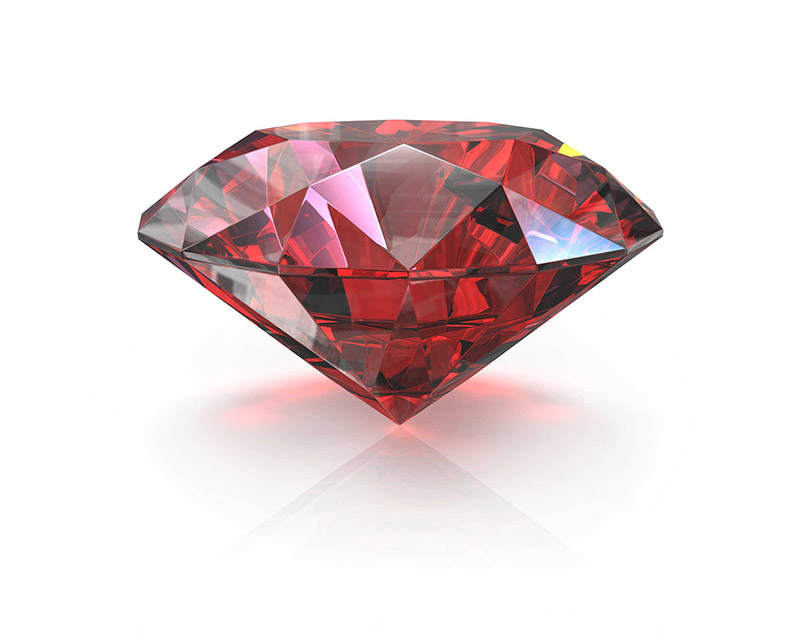
Certified rare ruby exhibiting intense red hue and clarity
The Significance of Certification in Ruby Discoveries
Certification plays a pivotal role in the gemstone market. It provides assurance regarding the stone’s authenticity, origin, and treatment history. For rare rubies, certification from reputable gemological laboratories is essential. It confirms that the ruby is natural, untreated or minimally treated, and sourced ethically.
Certified rare ruby discoveries are particularly valuable because they eliminate doubts about the stone’s legitimacy. This transparency is crucial for high-end jewellery designers and collectors who demand integrity in their acquisitions. Certification also facilitates resale and insurance processes, adding to the stone’s investment appeal.
When evaluating a ruby, always request a detailed certificate that includes:
Origin of the ruby
Treatment details, if any
Gemological characteristics such as refractive index and fluorescence
Photographs and measurements
This documentation supports the stone’s provenance and market value.
Why are Burma Rubies Banned?
Burma, now Myanmar, has historically been the source of some of the world’s finest rubies. However, political and ethical concerns have led to restrictions on the trade of Burmese rubies in many countries. These bans aim to prevent funding of conflict and human rights abuses associated with mining operations.
The ban affects the availability and pricing of Burmese rubies. While these stones remain highly desirable, buyers must navigate legal and ethical considerations carefully. Certified rubies from other origins, such as Mozambique and Madagascar, have gained prominence as alternatives.
For investors, understanding the geopolitical context is vital. It ensures compliance with international regulations and supports responsible sourcing practices. This knowledge also helps in assessing the long-term value and marketability of rubies from different regions.

Ruby mining site in Mozambique, a key source of ethically sourced rubies
Practical Tips for Acquiring Certified Rare Ruby Discoveries
Acquiring certified rare ruby discoveries requires a strategic approach. Here are practical recommendations to guide your investment:
Work with reputable suppliers: Choose dealers with a proven track record and transparent sourcing policies.
Verify certification: Insist on certificates from recognised gemological laboratories such as GIA or SSEF.
Inspect the stone personally: Whenever possible, examine the ruby under natural light to assess colour and clarity.
Understand treatment disclosures: Some rubies undergo heat treatment to enhance colour. Ensure treatments are disclosed and acceptable.
Consider the stone’s potential: Look for rubies with classic characteristics that retain value over time.
Diversify your collection: Include rubies from different origins and sizes to balance risk and opportunity.
Stay informed: Follow market reports and auction results to gauge demand and pricing trends.
By following these steps, you can build a collection or portfolio that reflects both aesthetic excellence and sound investment principles.
The Future of Rare Ruby Investments
The market for rare rubies continues to evolve. Increasing demand from luxury markets and limited supply contribute to rising prices. Certified rare ruby discoveries represent a secure entry point into this dynamic sector.
Technological advances in certification and traceability enhance buyer confidence. Ethical sourcing and transparency are becoming non-negotiable standards. These factors position certified rubies as not only beautiful gems but also responsible investments.
For those seeking to acquire or design with rare rubies, the future holds promise. The combination of rarity, certification, and market growth creates a compelling proposition. Staying informed and selective will ensure that investments in these precious stones yield lasting value.


Comments