


What Makes a Sapphire Rare? Colour, Origin and Natural Character Explained
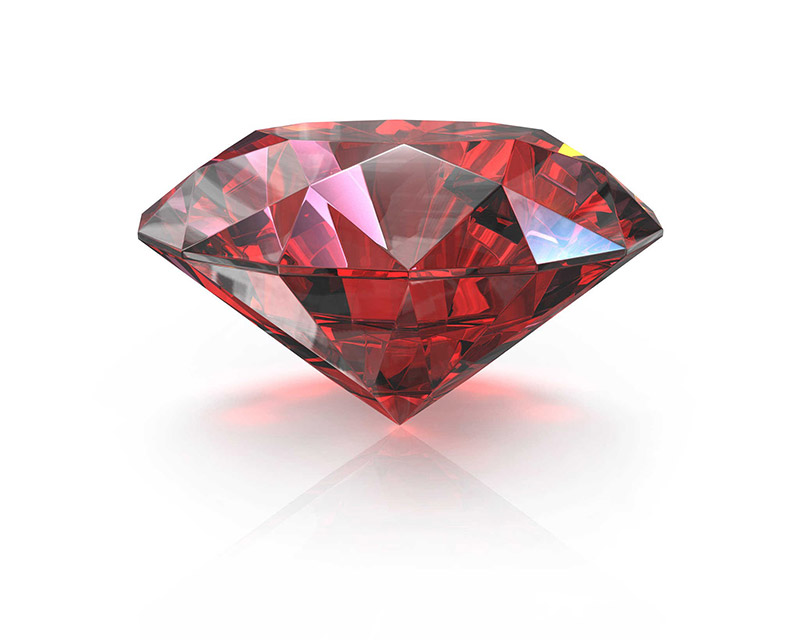
Sapphire is one of the best-known coloured gemstones, yet truly exceptional examples are much rarer than the name alone suggests. Two stones may both be described as blue sapphires while differing dramatically in colour, transparency, treatment history and origin. For collectors and jewellery clients, rarity comes from the way these qualities combine in a single natural stone.

Colour Is Usually the First Measure of Rarity
The most desirable sapphires show strong saturation without becoming overly dark, with an even distribution of colour across the face of the stone. Fine velvety blues are especially prized, but rarity also exists in unusual fancy colours. Stones that display vivid colour naturally, without heavy enhancement, are harder to find and often more compelling to serious buyers.

Origin Can Add Historical and Market Significance
Certain historic sources have become closely associated with distinctive sapphire qualities. Ceylon sapphires are admired for brightness and lively colour, while stones from other famous deposits may be valued for deeper, velvety tones. Origin should never replace an assessment of the individual gem, but when exceptional quality and respected provenance come together, the result can be especially desirable.

Treatment, Size and Transparency Matter Too
Untreated sapphires of fine colour are significantly scarcer than treated examples, particularly as carat weight increases. Larger stones also tend to reveal more about their internal character, so achieving good transparency, pleasing proportions and even colour in a substantial natural sapphire becomes increasingly difficult. Certification helps buyers understand these factors clearly before making an important purchase.

If you are looking for a rare sapphire for a collection or bespoke jewellery project, contact SICO International to discuss sourcing a certificated stone with the right balance of beauty, rarity and provenance.


Comments