


Beyond Blue: The Rise of Fancy Coloured Sapphires in Fine Jewellery
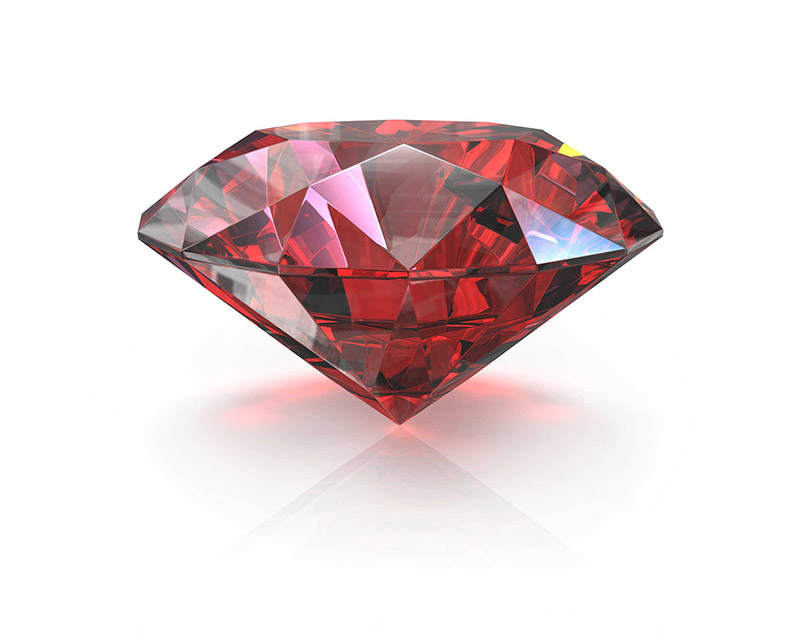
Mention sapphire, and most people picture a rich, velvety blue. Yet sapphire belongs to the corundum family, which occurs naturally in almost every colour except red, and collectors are increasingly looking beyond the classic blue to explore this wider spectrum. At SICO International, demand for fancy coloured sapphires, particularly pink, yellow and padparadscha, has grown noticeably in recent years.
A Spectrum Beyond Blue
Sapphire's colour range is governed by trace elements within the corundum crystal. Iron and titanium produce the classic blue, chromium creates pink tones, and varying combinations of iron produce yellow and golden hues. The rarest of all is padparadscha, a delicate blend of pink and orange named after the lotus blossom, found almost exclusively in Sri Lanka and parts of East Africa. Each fancy colour offers its own character, and increasingly, its own dedicated following among collectors.

Pink and Padparadscha: Romance in Colour
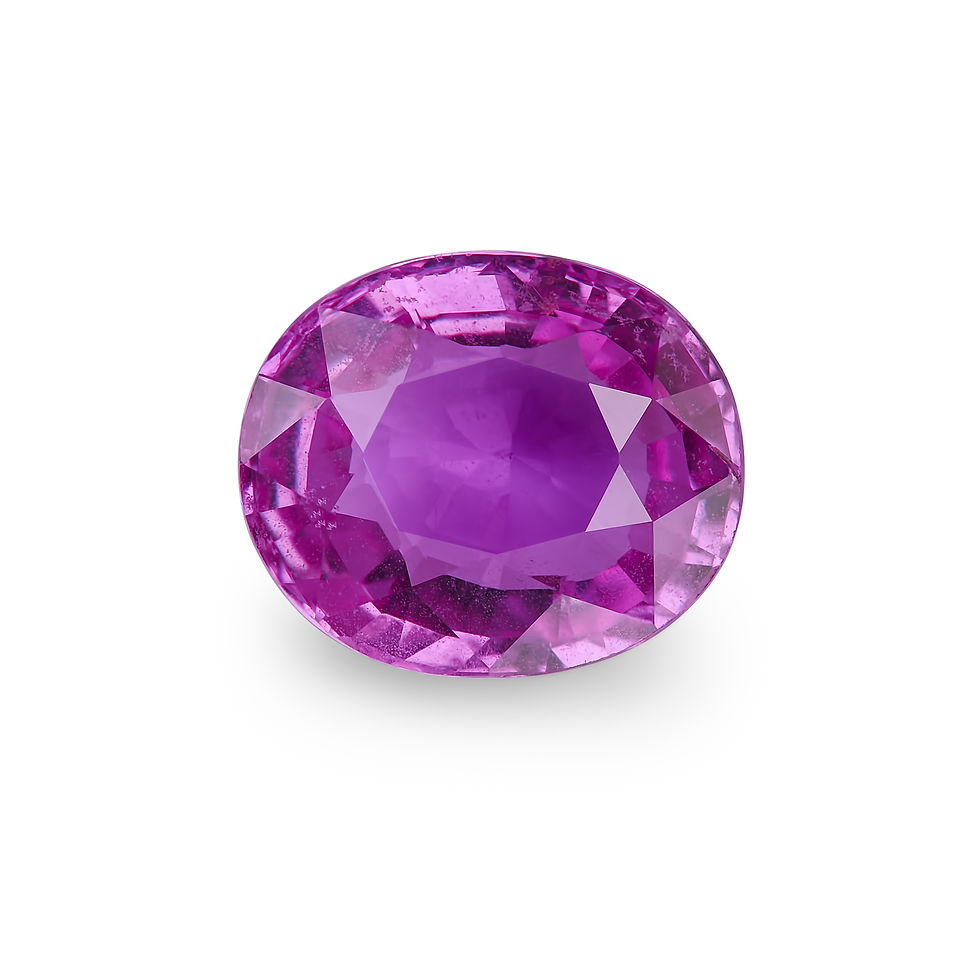
Pink sapphires have become particularly popular in engagement and statement jewellery, prized for a softness that diamonds and rubies cannot quite replicate. Padparadscha sapphires command even greater attention, combining the rarity of a fancy sapphire with a colour so distinctive that fine examples are often sold through specialist auctions rather than general retail. Both varieties offer an alternative to traditional gemstone choices without sacrificing the rarity and craftsmanship that define fine jewellery.
Classic Blue Remains the Benchmark
Despite growing interest in fancy colours, blue sapphire remains the benchmark against which all others are measured. The finest examples, from sources such as Kashmir, Burma and Ceylon, continue to set records at auction, and a fine velvety blue sapphire remains one of the most universally recognisable coloured gemstones in fine jewellery. Its enduring popularity is part of what makes the rise of fancy sapphires so notable: collectors are not abandoning blue, but expanding their appreciation of the gemstone family as a whole.

Cut Shapes That Showcase Fancy Sapphires
Cut plays a particularly important role in fancy coloured sapphires, where the goal is to maximise both brilliance and colour saturation. Octagon and cushion cuts are popular choices, offering broad facets that allow light to interact with the stone's colour rather than diluting it. A skilled cutter will orient the rough stone to capture the most even, saturated colour possible, which is often the difference between a good fancy sapphire and an exceptional one.

Sapphire Set in Fine Jewellery
Fancy sapphires lend themselves beautifully to a wide range of settings. Paired with diamonds in a pendant or cluster ring, they offer a point of colour against classic white metal, while solitaire settings allow the stone's hue to stand entirely on its own. Designers are increasingly using fancy sapphires as a central feature rather than an accent, reflecting their growing status as gemstones worthy of starring roles rather than supporting ones.

An Emerging Investment Category
As awareness of fancy sapphires grows, so too has interest from collectors seeking diversification beyond the traditional choices of ruby, sapphire and emerald in their classic colours. Fine, untreated fancy sapphires remain genuinely scarce, and as more buyers discover the breadth of colour available within the sapphire family, demand for the rarest examples, particularly padparadscha and the finest pinks, continues to outpace supply.

Sapphire's reputation may have been built on blue, but its future increasingly lies in colour. For collectors willing to look beyond the familiar, fancy sapphires offer a rare combination of beauty, individuality and long-term appeal.


Comments