


Gemstone Certification Explained: What a Laboratory Report Really Tells You
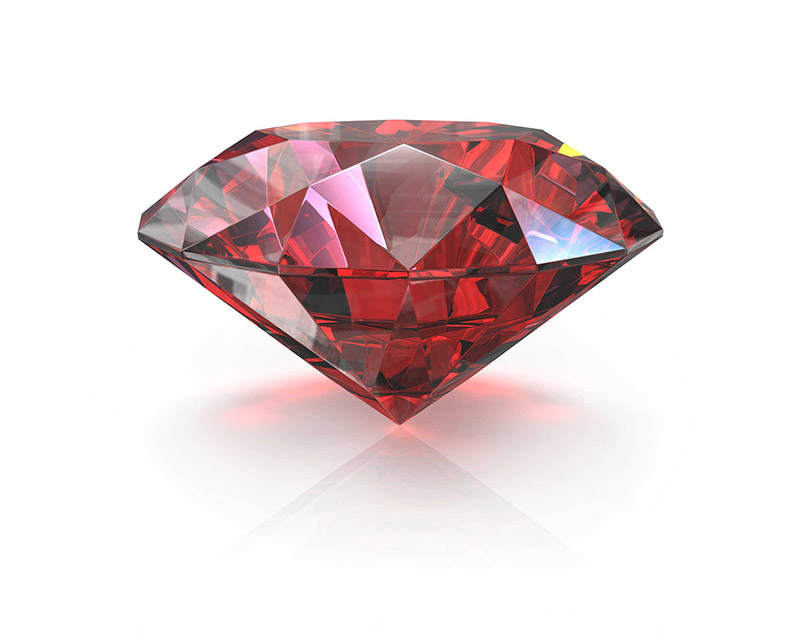
When purchasing a significant ruby, sapphire or rare coloured gemstone, beauty is only part of the story. A respected independent laboratory report provides an expert assessment of what the stone is, whether it has been treated and, in some cases, where it is believed to have originated. For collectors, jewellers and private buyers, that information can be fundamental to understanding both rarity and value.

What Does a Gemstone Laboratory Report Confirm?
A laboratory report typically records the gemstone species and variety, its weight and measurements, and the gemmological observations used to identify it. For rubies and sapphires, the report may also state whether evidence of heat treatment has been detected. This distinction matters because treatment history can influence rarity, desirability and market value, particularly for exceptional natural stones.

Why Origin Can Matter for Rubies and Sapphires
For certain fine gemstones, a laboratory may offer an opinion on geographic origin after examining inclusions, trace elements and other identifying features. Origins such as Mozambique for ruby or Sri Lanka and Madagascar for sapphire can form part of a stone's wider story. Origin alone does not determine quality, but when combined with exceptional colour, clarity, size and limited treatment, it can contribute to a gemstone's significance in the international market.

Why the Laboratory Itself Matters
Not all gemstone reports carry the same weight. Established laboratories use specialist equipment, experienced gemmologists and documented testing procedures to reach their conclusions. SICO International works with respected laboratories including GRS, Gübelin, SSEF and C. Dunaigre, helping clients purchase important coloured gemstones with clearer independent documentation and greater confidence in the characteristics being represented.

Certification Is Part of the Buying Process — Not the Whole of It
A certificate is an essential source of technical information, but it cannot replace experienced judgement. Two stones with similar laboratory descriptions may look very different in person because colour distribution, saturation, brilliance, proportions and character are visual qualities. With more than 40 years of experience in coloured gemstones, SICO International combines respected laboratory documentation with specialist sourcing and personal guidance to help clients identify stones of genuine quality.

Looking for a Certified Ruby, Sapphire or Rare Gemstone?
SICO International sources and supplies fine coloured gemstones for private clients, collectors and the jewellery trade. If you are looking for a particular stone or would like guidance interpreting a laboratory report, speak to the team about your requirements.

Comments