


Loose Gemstone or Finished Jewellery? Why Serious Buyers Often Start with the Stone
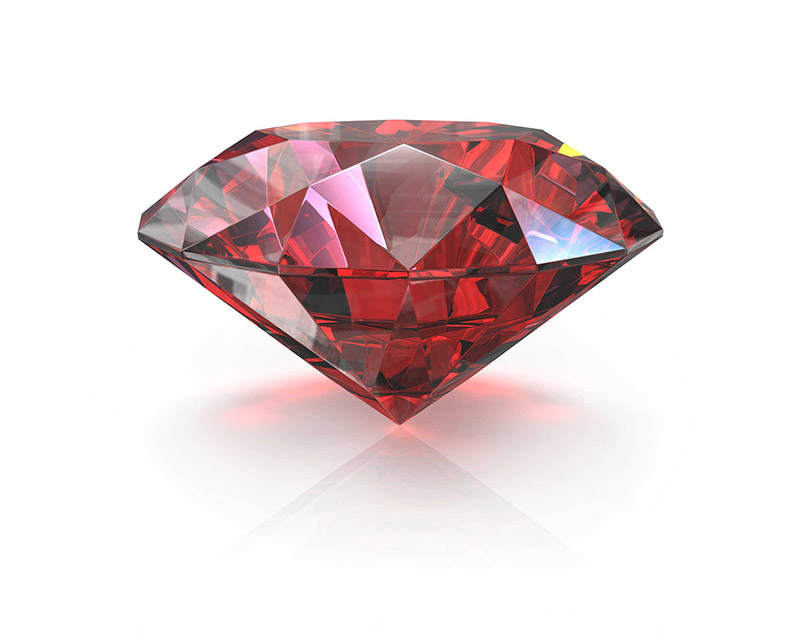
When buying an important coloured gemstone, the finished piece of jewellery can sometimes distract from the quality of the stone itself. Starting with a loose gemstone allows the buyer to assess colour, cut, transparency, treatment and certification before any design choices are introduced. For collectors, jewellers and private clients, that can lead to a more informed and more individual result.

A Loose Stone Makes Quality Easier to Judge
With the gemstone unset, it is easier to examine proportions, inclusions and the way colour moves through the stone. Buyers can compare similar rubies, sapphires or other rare gems side by side and focus on what makes one example more compelling than another. Certification can also be reviewed independently, giving the buyer a clearer understanding of treatment and origin before committing to a design.

The Design Can Then Be Built Around the Gemstone
Exceptional coloured gemstones rarely conform perfectly to standard jewellery dimensions, and they should not have to. Once the right stone has been selected, a bespoke setting can be designed around its exact outline, depth and colour. This approach allows the jewellery to support the gemstone rather than forcing a rare stone into a predetermined mount.

It Also Gives Collectors Greater Flexibility
A loose gemstone can be held as part of a collection, set later, redesigned in the future or passed between generations before a final jewellery decision is made. For buyers focused on rarity and long-term quality, this flexibility can be valuable. The gemstone remains the central asset, while the setting can evolve around changing taste, purpose or ownership.

To source a loose ruby, sapphire or rare coloured gemstone for a collection or bespoke commission, contact SICO International and speak with the London team about the right stone for your requirements.

Comments